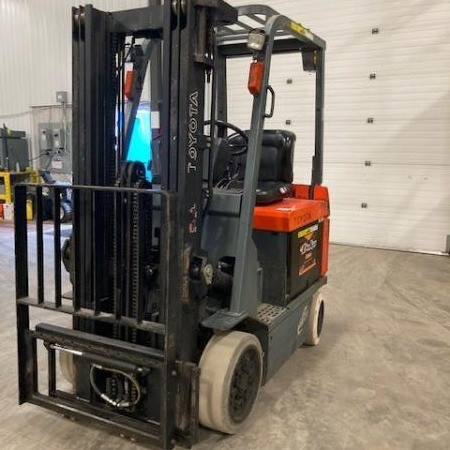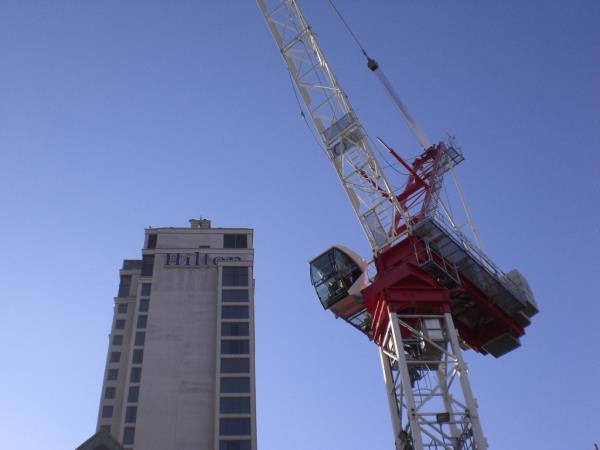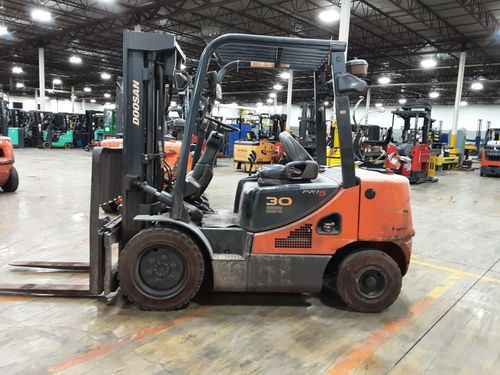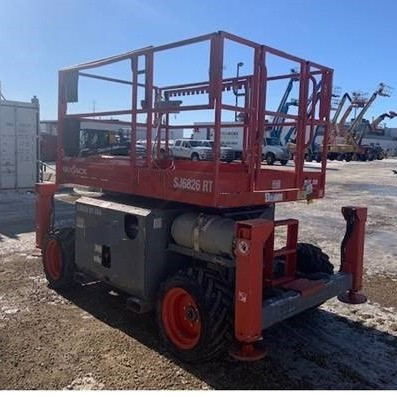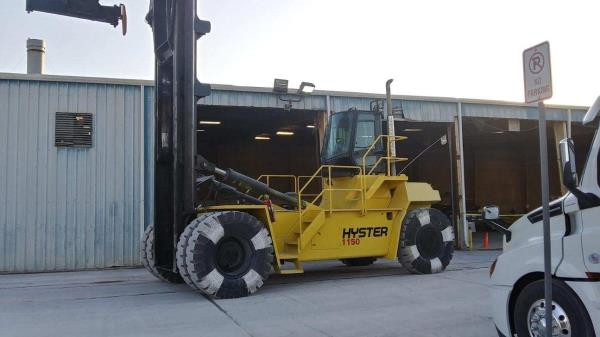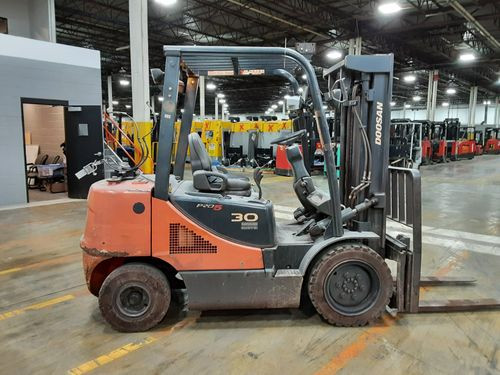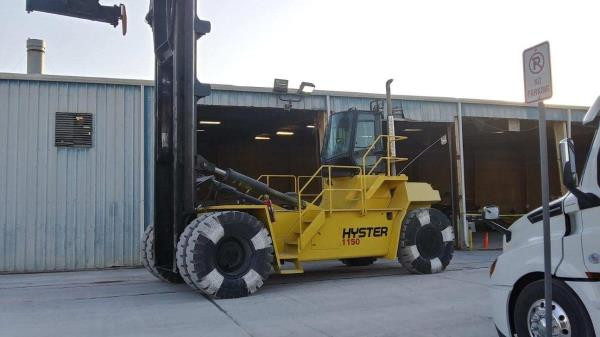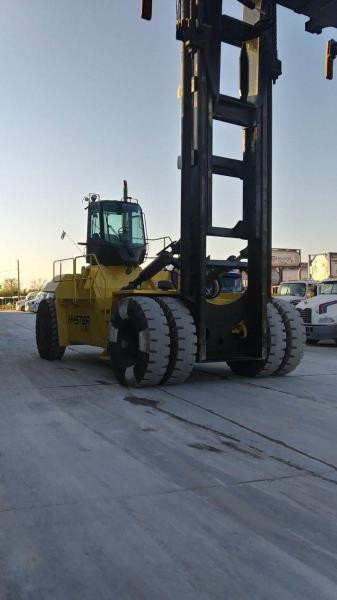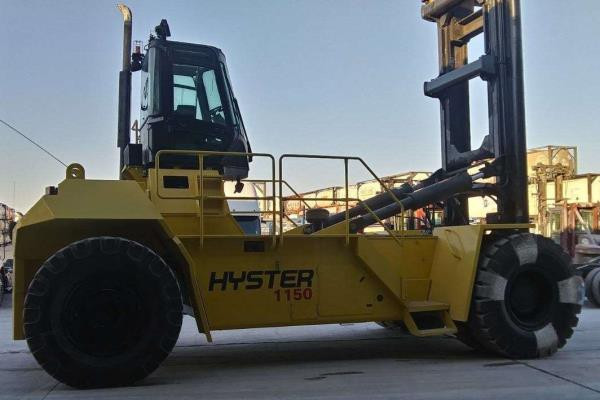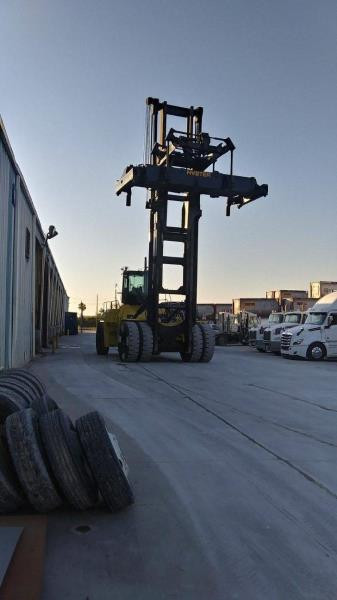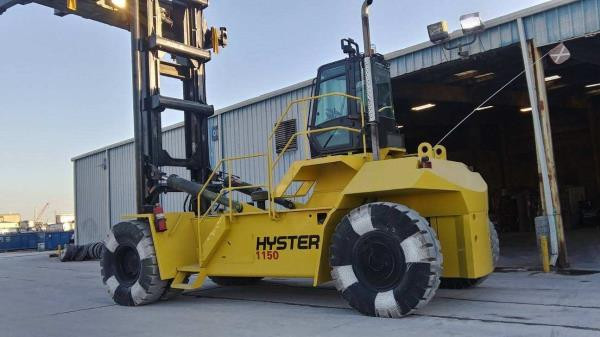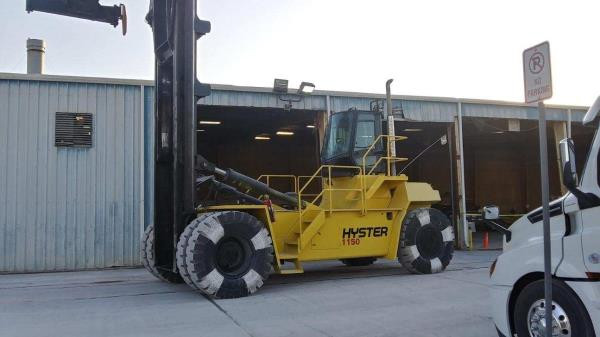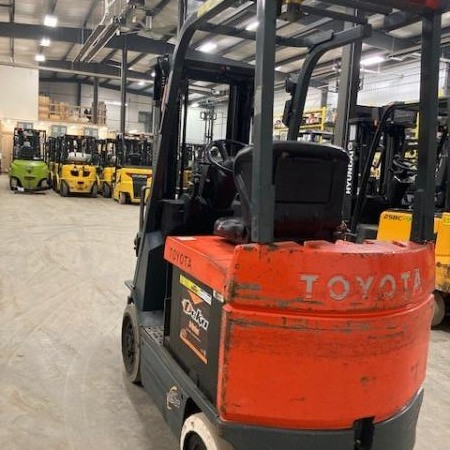


Used Forklifts Saskatchewan - To be able to safely transport supplies at ports, shipping docks, warehouses and construction sites, pallet trucks or hand trucks and forklifts should be in good working condition. The capital investment of your company will serve you well in the long term if you have dependable forklift repair and maintenance services offering inspection, repair, overhaul and maintenance. To provide forklift maintenance and repair services, companies have the choice to train their staff in house. Specifically those companies which have fleets of forklifts in big operations. The manufacturer of the machine normally provides excellent documentation, like for instance online guides, CDs and repair manuals, to guide service engineers and mechanics. The correct set of tools and documentation is all you need for fixing and diagnosing minor issues and for regular maintenance. Common issues which need occasional addressing comprise those related to power systems, emission and fuel systems, transmissions, hydraulics, brakes and diesel engines. If the problems require specialized knowledge or are more complicated, suppliers or dealers can often be depended upon to give assistance from certified service repair centers. The majority of repair centers are really responsive to calls and offer diagnostic testing and emergency 24-hour service. Other aspects of forklifts that may need maintenance and repair consist of axles and tires, levels of fluids, lights, alarms or horns, instruments and gauges, and carriage. Forklift attachments also need maintenance, like sideshifters, barrel and roll clamps, rotators, drum handlers and man baskets. Occupational Safety and Health Administration (OSHA) requirements for forklift operators include certification involving both practical evaluations as well as classroom study. The three-year certification is not transferable; if switching employers, operators must become recertified. Conventional forklifts have a load capacity of 1,800 kilograms to 2,200 kilograms. Higher load capacities up to and over nine thousand kilograms are available in various units. A forklift's load capacity will depend on the unit and its options and attachments. Hyster is an industry leader in the materials handling industry that has been in business for over 80 years. However, it started as a producer of lifting machinery and winches. Most of its production was focused in the northwest United States and dealt primarily with the wood and logging industry. A couple years after the first forklift trucks were invented Hyster became synonymous with quality production. Over the last eighty years Hyster has continued to get bigger and increase its product line. The expansion of its products coupled with its wish to stay service oriented has allowed Hyster to mature into the intercontinental participant it is in the present day. All Toyota machinery and components designed within North America adhere to the International Organization for Standardization or ISO 14001 standard. The Columbus TIEM plant has been honored on many occasions for its commitment to continual progress and its environmentally friendly systems. It is the first and only producer to offer EPA and CARB-certified Compressed Natural Gas powered lift trucks on the market. For instance, the Toyota 8-Series IC lift vehicles emit 70% fewer smog forming emissions than the existing centralized EPA standards and have complied with California’s strict emission standards and policies. Yale Materials Handling Corporation is an international organization who is part of the NACCO Materials Handling Group or likewise known as NMHG. NAACO Materials Handling Group is the largest maker of forklifts in the United States of America. They have $1.5 billion in profits, making them the third biggest all over the globe. NMHG designs, engineers, makes and sells a whole series of lift trucks under the Yale trademark. The forklifts are made in USA, the UK, the Netherlands, Mexico, Ireland, Scotland, Brazil, Italy and Japan. The retail sales of forklifts and replacement parts are sold, serviced and supported by Yale authorized sellers. Yale stands behind their dedication in being a world best within the material handling business. They are very proud to supply an entire collection of forklifts and much more. Each of their forklifts include the support of the entire company. Their experienced service technicians have every option available to handle and finance your forklift fleet. The strategically located dealer community gives clients great flexibility and customer assistance.
CAT: CAT Empty Container Handlers Saskatchewan - More than 80 years ago, a man named Lester M. Sears thought it could be a good idea to adapt a farm tractor for industrial application. He made the "Model L," and though it may look quite obsolete now, it was packed with new ideas. The equipment changed and transformed the materials handling industry. Lester's first truck provided innovations that have become standard today within the lift truck industry. Among these key features include: rear-wheel steering, wheel drive, hydraulic tilting and lifting and equal reverse and high-speed forward gears. During 1965 the corporation was acquired by Caterpillar and Lester began "Towmotor" and then began CAT Lift Trucks. With the same commitment to sensible solutions, dedication to exceptional reliability and new ideas, CAT enjoys thinking that they are direct descendants of Lester's. The Model L was really durable and efficient that the model worked hard for more than 30 years before finally retiring. Caterpillar formed a joint venture during 1992 with Mitsubishi Heavy Industries or MHI Ltd. They brought together technological strengths and marketing and financial strengths in the manufacturing of material handling equipment. The company has had their headquarters in Almere, the Netherlands since that time. CAT lift trucks are presently among the best built machinery in the industry. CAT produces lift trucks which run on LPG, diesel, electric counter balanced units and gasoline engines. The corporation also manufactures an entire line of warehouse equipment. The local CAT dealers are amongst the best in the business and provide over 80 years of relevant experience. The RTCH is a particularly engineered rough terrain vehicle that is able to operate in as much as 5 feet of sea water and utilizes 4-wheel drive. This particular model is capable of functioning on soft soil places such as unprepared beaches. The RTCH could handle the 8 foot wide and 20 to 40 foot long containers.
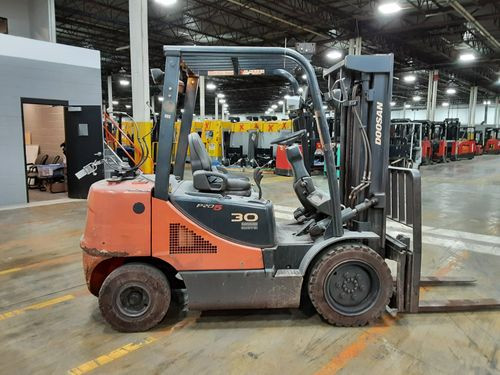
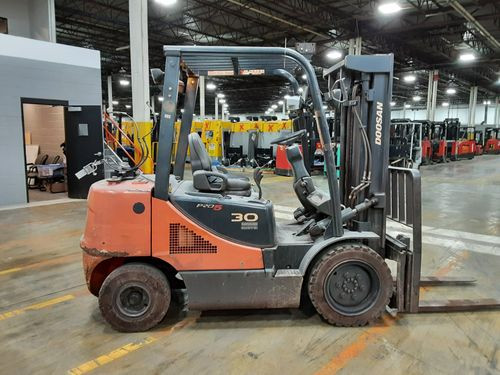
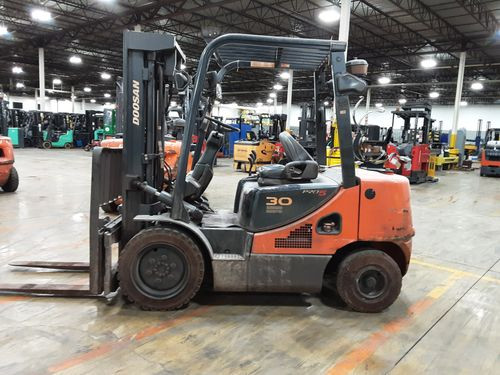
Doosan: Doosan Used Forklifts Saskatchewan - The materials handling corporation Doosan is a major producer of machines, with over 100 forklift models manufactured at numerous Doosan factories. Doosan is Korea's oldest business organization. Models consist of reach trucks and electric and engine forklift trucks. The Doosan name is associated with top class equipment, providing convenience, operator comfort, performance and reliability. Doosan also manufactures environmentally friendly models that feature less vibration and noise and reduced gas emission. Korea's Oldest Enterprise The company has been in business for 115 years, beginning as the Park Seung-jik Store during the year 1896. This store was the nation's first modern retail enterprise. For more than a century it has continued to grow and change with the times. Doosan's history of modernization and change has ensured its position as a global ISB powerhouse. Doosan Infracore is a worldwide leader in the manufacturing of construction equipment. A top-quality machine manufacturer, Doosan Infracore fabricates products and delivers business services in the areas of compact machinery, machine tools, engines, attachments and utility. Through quality enhancements and continuous technology, the company leads Doosan's ISB segment, strengthening Doosan's overall product competitiveness and market position. Doosan Infracore operates a broad international business network which includes a global dealer organization network. Situated in various locations all over the globe are local parts centers, technical centers, sales subsidiaries and branches. The company's factories within Korea, several European nations, and in China and the United States manufacture a huge array of construction equipment and machine tools for a broad base of local clients. Within China, the aggregate excavator sales total of the company remains the highest in the business. We are the company of choice to fill Korean demand for machine tools and excavators. Doosan continues to engage in global expansion with top-notch services, enhanced technologies production and quality products. Doosan's overall customer satisfaction has helped the company increase its overall world market share. We are at the forefront of the US market for compact construction machinery. We continue to grow our share of the heavy-duty construction machine industry in the United States.
Nissan: Nissan Diesel Forklift Saskatchewan - Whether you are thinking of expanding your business fleet of lift trucks or if you are just beginning with your very first lift truck, the number of choices which go into selecting a used or brand new forklift could really be overwhelming. There are various choices such as internal combustion or IC engines, electric models or the latest hybrid lifts. Taking time to know all your requirements and get what you want out of your machine so as to facilitate loading and unloading applications for your warehouse or dock is vital. Of course a huge consideration as with most big purchases is the upfront cost. Be sure to think about the long term cost associated with operating your forklift. Like for example, remember that your largest cost in this particular category is going to be the fueling costs associated with utilizing your forklift. Amongst the current internal combustion forklifts available on the market nowadays, the diesel unit tends to offer some of the cheapest operating and fuel costs. These forklifts could out-lift and out-power your typical electric forklift with no trouble. Similar to all lift truck units, there are many advantages and disadvantages connected with diesel forklifts. The following is a brief buying guide for diesel lift truck models in order to help you cut through the confusion and help determine the unit best for all your needs. By knowing about the possible pitfalls, you will be prepared to make an educated purchase. The low operating costs of the diesel forklift is probably their biggest benefit. The diesel model is normally the cheapest option for fuel for IC lifts. Even if electric lifts are cheaper in the long run, they don't necessarily work the best outdoors. Though diesel forklifts are ideal for outdoor applications, they are however not used properly indoors. The emissions from a diesel model could be really hazardous if not ventilated correctly in an indoor warehouse. In addition, diesel forklifts are a lot louder compared to their emission-free electric counterparts.
Genie: Genie Rough Terrain Scissor Lift Saskatchewan - Genie's four-wheel drive rough terrain scissor lifts are perfect for use outdoors. They provide improved work site efficiency and productivity while also offering the user great platform size, great lift speed, and exceptional handling able to get the most difficult jobs efficiently. Genie electric self-propelled scissor lifts are able to be utilized on solid, level ground for numerous work site applications outdoors. Genie electric scissor lifts are quiet and produce low-emission levels, making them ideal for being utilized in sensitive places like for example hotels, schools, shopping malls and offices. For jobs which need space for more supplies, tools, and employees, Genie scissor lifts are a perfect piece of machine. For GS-3384 models and higher, an optional rear slide out extension deck can be added. Basic on all RT models is a multi-position slide out extension deck on the front. There is power supplied to the platform to utilize electric power tools. Employees could reach cargo on heights up to 11.75 meters with the GS-3232. Genie equipment are built to be compact and small in an effort to provide great handling. On all models, front wheel drive is standard. To maneuver in tight areas, even busy construction locations, elevators and narrow aisles, the majority of models have a zero inside turning radius. The GS-3232 unit can fit through places only 81 centimetres wide. Although these kinds of machinery are engineered to be both compact and effective, the Genie RT scissor lifts offer the ability to effectively move over rough, uneven ground. Positive traction control, four-wheel drive, and 50% gradeability help machines operate effectively on slopes. Genie rough terrain scissor lifts offer users many great features to make them durable and compact so that jobs could get done efficiently with less down-time.
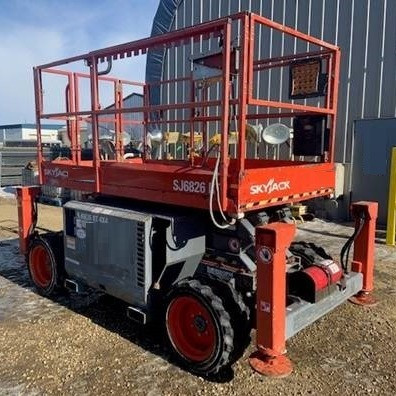
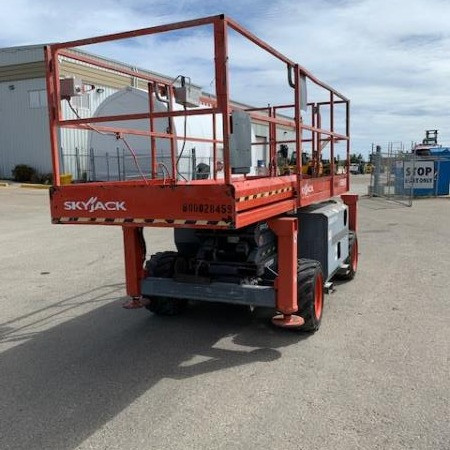
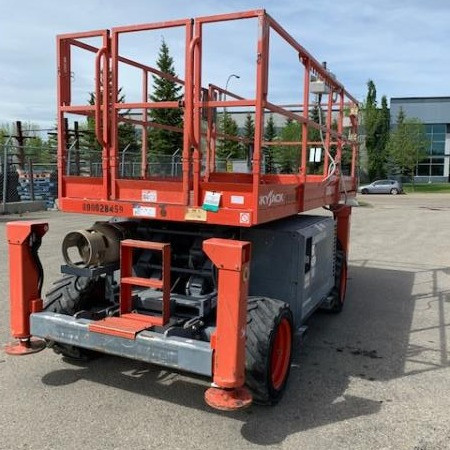
Skyjack: Skyjack Straight Man lifts Saskatchewan - Man Lift Designs Available today, there is a wide variety of articulating lifts, with various types of lifts to fit each circumstance, application and work venue. There are certain manufacturers who specify in lifts for hazardous settings like for example underground tunnel situations, petro-chemical plants, and other locations where there is a risk of explosive gases or dust, for instance in grain-processing plants. Some lifts have been mounted to big flatbed trucks or onto the back of pickup trucks or onto trailers. There are types of lifts which include articulating booms which can be self-propelled and are controlled by the lift operator, while others have the ability to pivot 360 degrees. There are lift models designed specifically for outdoor and indoor use, and come in both 4-wheel and 2-wheel powered models. In some cases, the platforms are adjustable and some kinds of lifts feature baskets where the worker stands. These baskets or platforms are adjustable and allow the employees to swing into location or remain level, depending on what the operator should finish the task. There are several baskets and platforms which come wired so as to enable the operator to plug tools in as required. Skyjack Reconditioning The company SJ-Recon completely reconditions both Rough Terrain and Skyjack Electric Scissors, together with a range of other boom lift models from a variety of OEM's Skyjack Corporation. Reconditioning Method Before disassembly, each machinery is thoroughly inspected with all updates and outstanding safety bulletins completed. Furthermore, all weldments on the machinery are thoroughly inspected for defects. These parts are carefully prepped before the painting process. Skyjack's Recon Division has all the required equipment to provide a quality paint job. They provide a state-of-the-art blast booth and a complete paint line, and a professional oven.
Komatsu: Komatsu Propane Forklift Saskatchewan - Does Cold Affect a Propane Tank Level Gauge? Propane is similar to most other kinds of materials in that it is affected by cold temperatures. The propane gas contracts when the temperature declines. That reduced level of gas in the tank is reflected by the gauge which reflects the level on the propane tank. Normally, this comes into play whenever a homeowner checks the gauge in cold climate and sees the amount of the tank level before and after delivery. Depending on the conditions, the tank level might not rise as much as expected. Propane Tank Level Gauge The gauge on a propane tank shows you what percentage of the tank is full. Usually, tanks are not filled over 80% so as to allow the gas to expand on warm temperatures. For instance, a 500 gallon tank, at a reading of 80% at normal temperatures reflects about 400 gallons of propane in the tank. This is about how much could be stored. Normal Temperatures The propane industry operates the popular website Propane 101, that considers the propane reference point to be an exterior temperature of 60 degrees. Like for instance, if the gauge reads 50 percent of capacity on a day when the temperature is near 60 degrees, then a 500 gallon tank would contain around 250 gallons of propane. If the temperature that same day is much lower than 60 degrees, the gauge will read lower. Similarly, if the temperature is a lot higher than 60 degrees, the gauge will actually read higher since the gas expanded. Effect of Expansion and Contraction The energy contained or amount of energy contained inside a tank will not change as the gas either contracts or expands, according to the propane industry website. The amount of propane itself has not changed, but only the density of the gas has changed. Cold-Weather Delivery If a homeowner orders 100 gallons of propane to be delivered, they would receive 424 pounds of propane. If the homeowner has a 1000 gallon propane tank, they can expect the gauge to go up by 10% with the delivery of 100 gallons. These numbers would be correct if the temperatures were near 60 degrees at the time of delivery. If the delivery took place during colder weather, these chillier temperatures would result in a smaller increase reading on the propane gauge.
Caterpillar: Caterpillar Reach Forklifts Saskatchewan - Reach Truck In order to keep storage places orderly and to stock up pallets of goods and supplies, a reach truck could be used. The reach truck is available in quite a few models: the straddle reach, stand-up reach and the double-deep reach. The simplest type is the stand-up. The forks of the truck slide beneath the pallet and move it to the appropriate storage place. The forks slide the pallet into place. This particular kind of reach truck is recommended when shelving units are one pallet in depth. The double-deep reach truck is like the stand-up, but is best for workplaces where shelving units are deep enough to accommodate two pallets of goods. This version consists of telescopic forks designed to put the pallet at the back of the shelving unit. This eliminates the need to push the pallet back when another pallet has to go into the same shelving section. Straddle reaches have the additional advantage of being able to not only slide underneath the pallet, but also to grasp the sides. These are suitable for workplaces where shelving units are accessible in many directions. This version is ideal in situations where goods will not be damaged if the pallet sides are grabbed. In the majority of warehouses, there are usually more than one kind of reach truck. Manufacturing facilities and textile companies use different kinds of reach trucks in their supply areas. The reach truck is not difficult to operate and could maximize available storage space while increasing production.
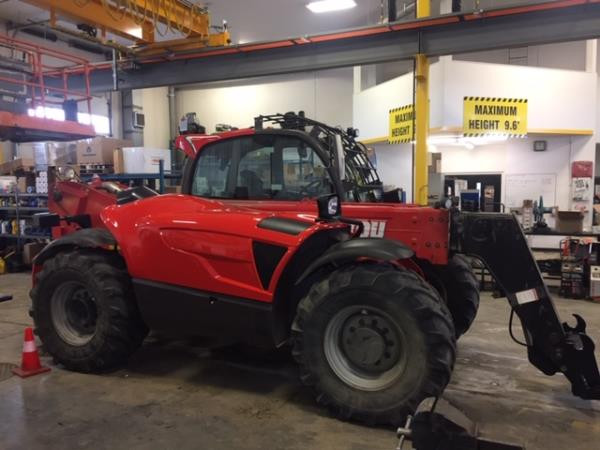
Gradall: Gradall Telehandlers Saskatchewan - Gradall began making its well-known excavator during the 1940's, during a time wherein World War II had caused a scarcity of laborers. This decrease in the labor force brought a huge need for the delicate work of grading and finishing highway projects. Ferwerda-Werba-Ferwerda was a Cleveland, Ohio based construction business which experienced this particular dilemma first hand. Koop and Ray Ferwerda were brothers who had moved from the Netherlands. They were partners in the company which had become among the major highway contractors in Ohio. The Ferwerdas' set out to build a machine which will save their business and their livelihoods by making a unit that will perform what had before been physical slope work. This creation was to offset the gap left in the worksite when so many men had joined the military. The first apparatus these brothers invented had 2 beams set on a rotating platform and was connected directly onto the top of a truck. They used a telescopic cylinder to move the beams in and out. This allowed the connected blade at the end of the beams to push or pull dirt. After a short time, the Ferwerda brothers improved on their initial design. They made a triangular boom to produce more strength. After that, they added a tilt cylinder which allowed the boom to rotate 45 degrees in either direction. This new model can be outfitted with either a blade or a bucket and the attachment movement was made possible by placing a cylinder at the rear of the boom. This design powered a long push rod and allowed a lot of work to be finished. Not a long time after, many digging buckets became available on the market. These buckets came in 15 inch, 24 inch, 36 inch and 60 inch sizes. There was additionally a 47 inch heavy-duty pavement removal bucket that was available too.
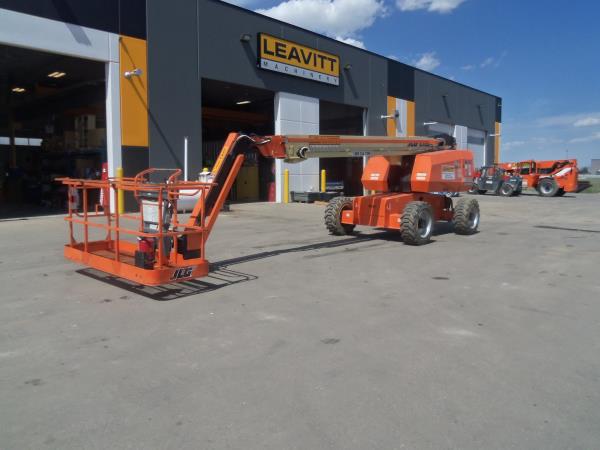
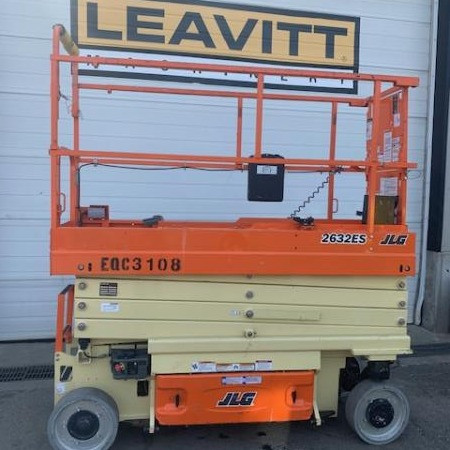
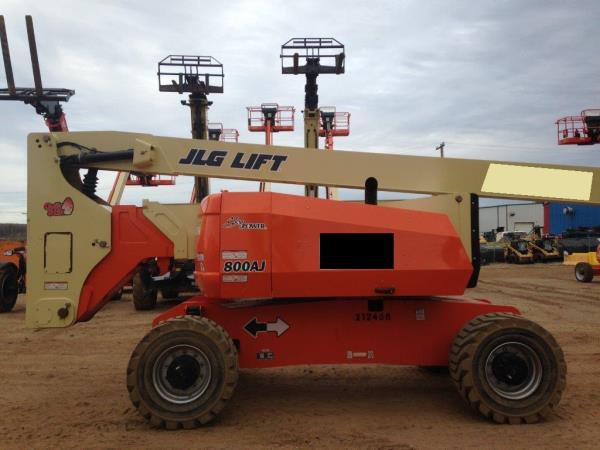
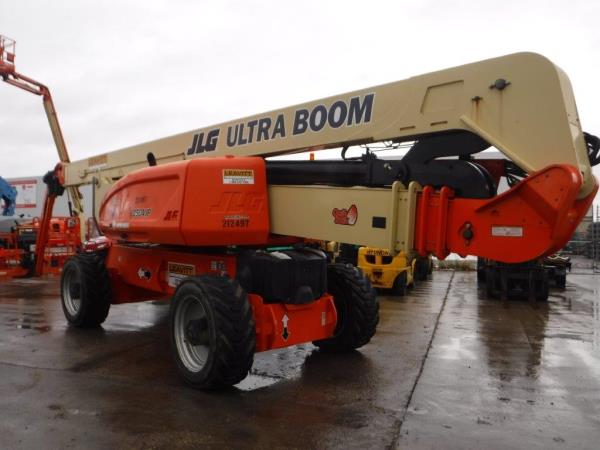
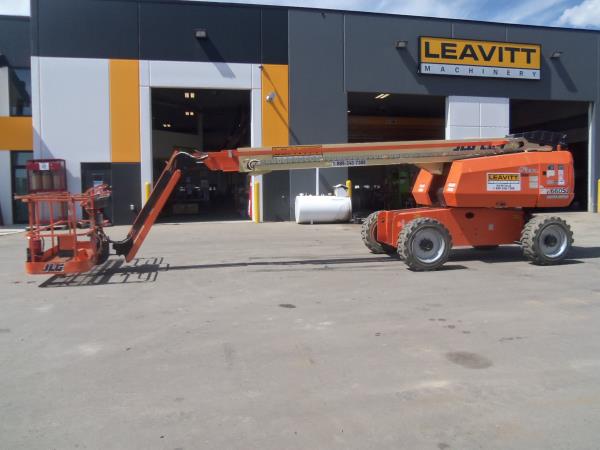
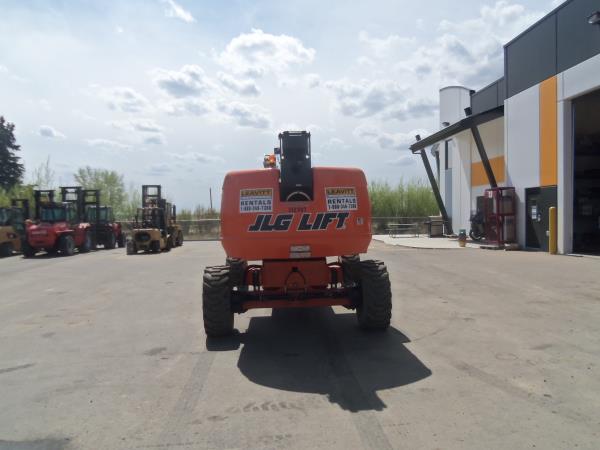
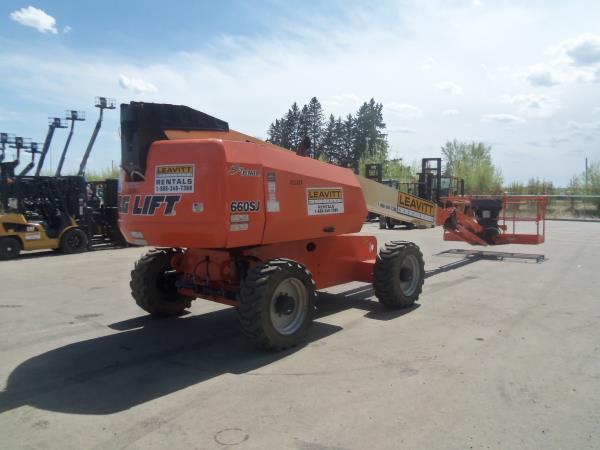
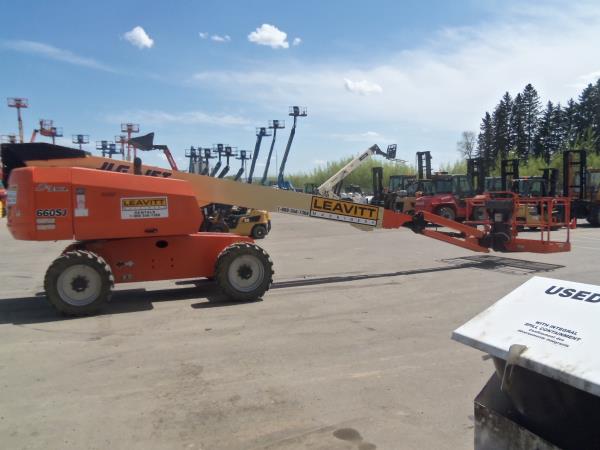
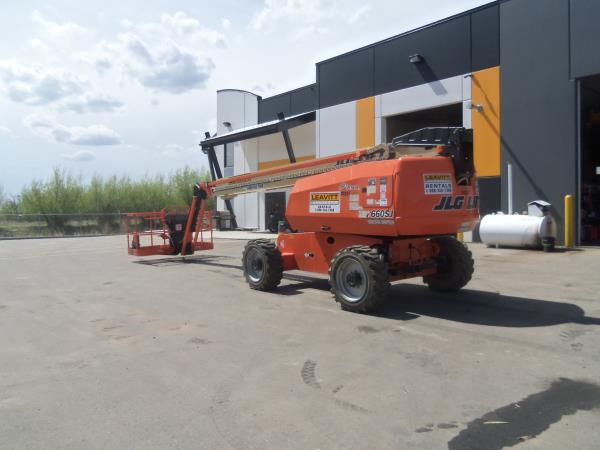
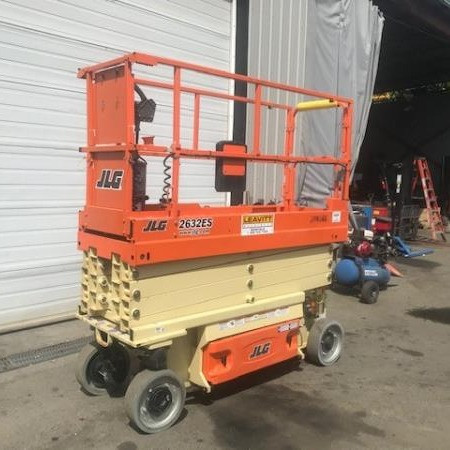
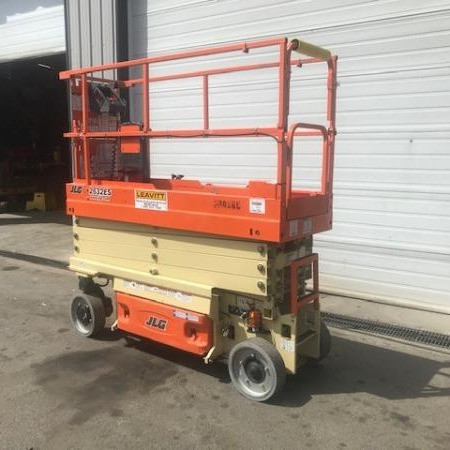
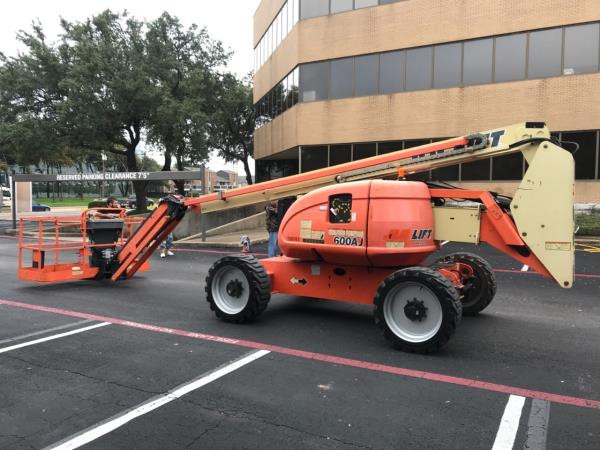
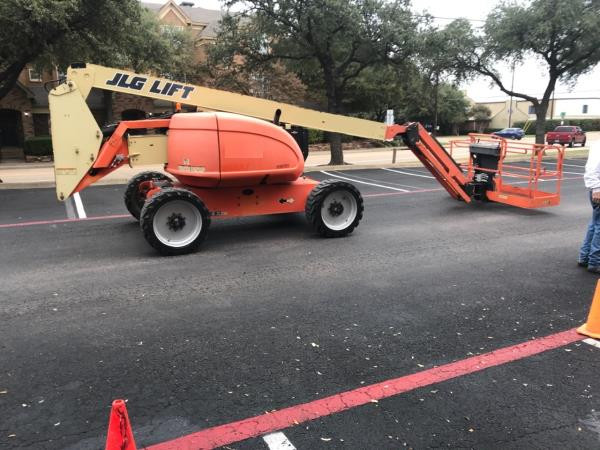
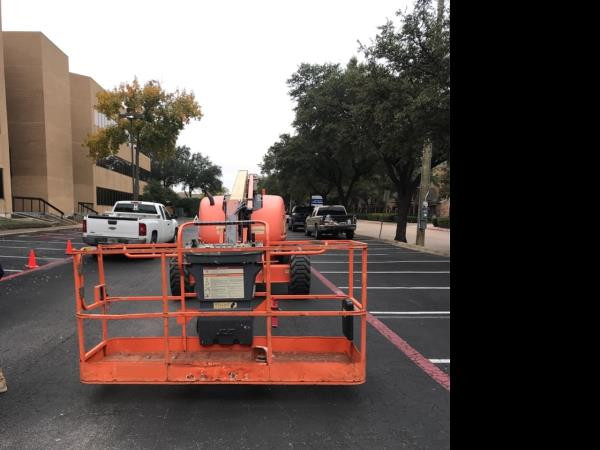
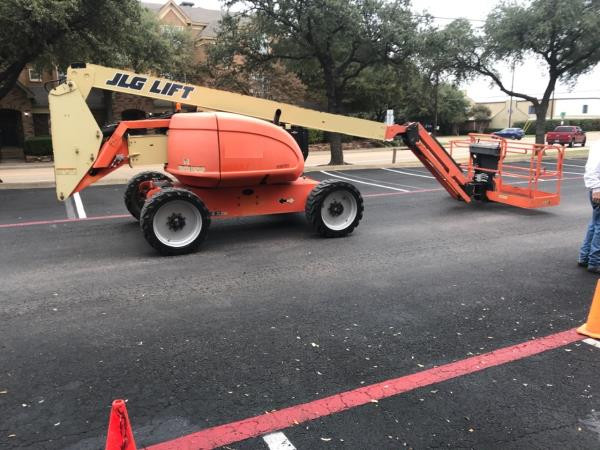
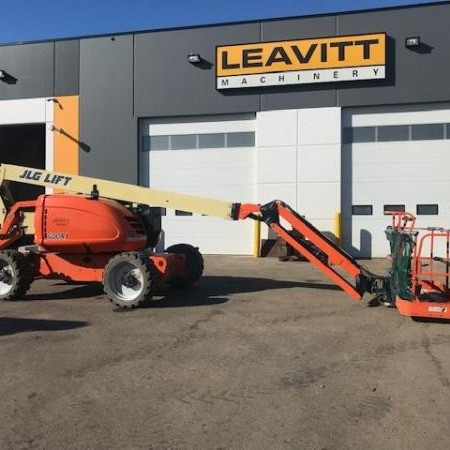
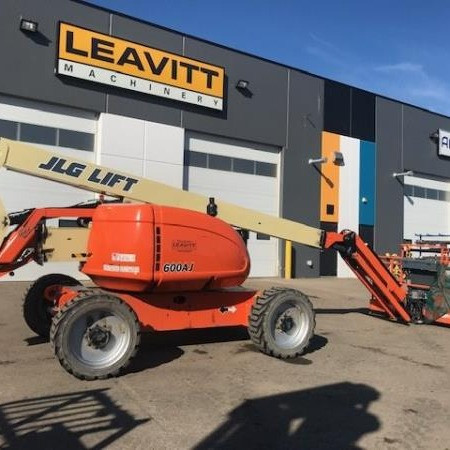
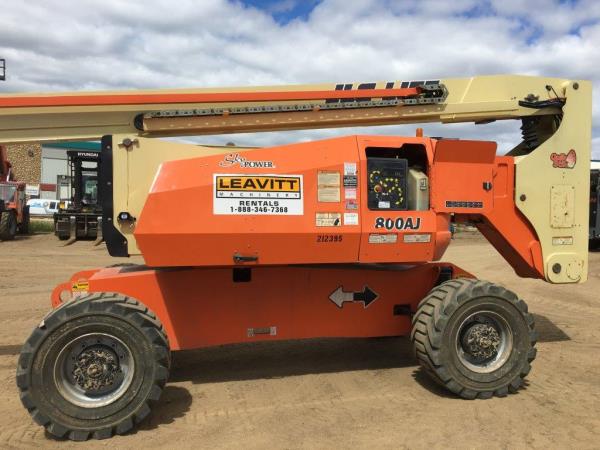
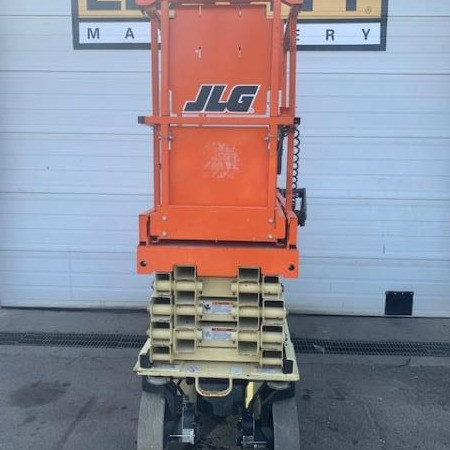
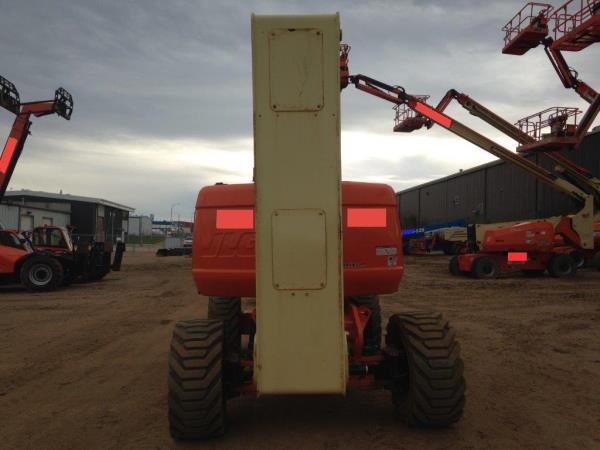
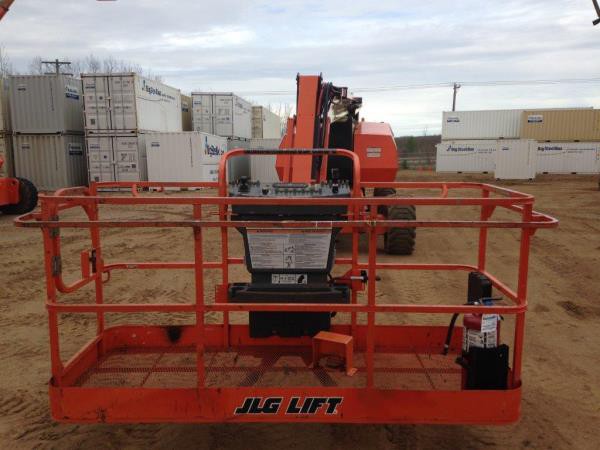
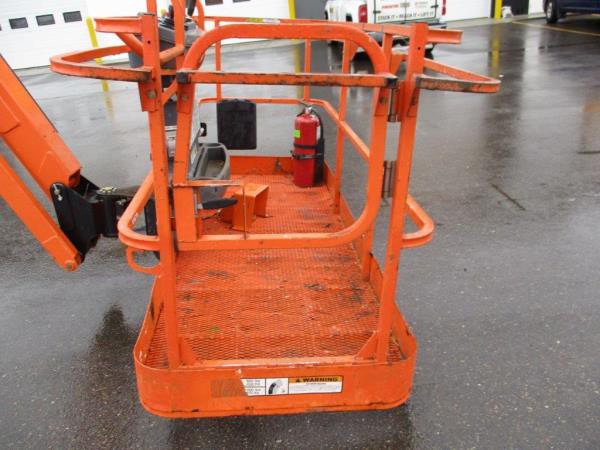
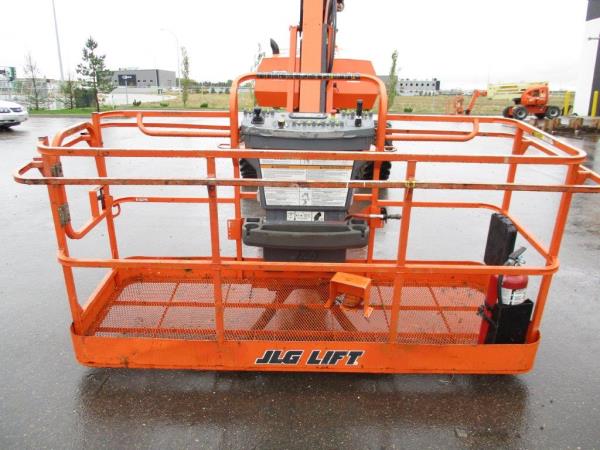
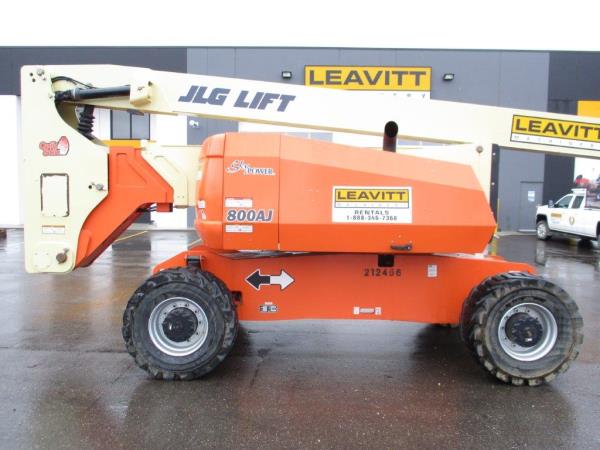
JLG: JLG Man Lifts Saskatchewan - JLG Industries, Inc.is determined to be at the top of the material handling business. We are among the top providers within the globe for access machines. Our Vision Through dedication, great leadership and teamwork, we continue to strive and give world-class service, quality and excellence in all of our units. JLG delivers excellent products to our diverse clients across the world. Our company provide excellent quality not just to all our clients but our distributors as well. JLG takes pride in offering enrichment and opportunity for our employees. We also showcase excellent performance when it comes to our shareholders. Our Values To provide the best in all aspects of JLG's business, the company strives to continue our vision and our mission. We continue to adhere to these core values every year. Customer Focus Our company knows that our leadership within the business depends mainly on our ability to understand and respond to all our client's requirements. We concentrate on establishing a solid partnership culture that supports constant 2-way dialogue so as to communicate openly. Every time we have contact with a customer, we think it is a different opportunity to improve the qualities of JLG and understand their needs and deliver. Highest Quality Standards We expect our clients to give feedback that we are number 1 in terms of service and quality. We believe that excellence would be attained by not only meeting but exceeding all our customer's needs with each service and machinery provided by JLG. We work with the particular goal of providing defect-free products on a timely manner, each and every time. World Class Products JLG provides a variety of machines that demonstrates the highest performance and best overall price value in meeting clients' needs all around the world. We continue to introduce items which address or anticipate new opportunities in all of the markets that we serve. Uncompromising Integrity At JLG, we believe in conducting ourselves with a high level of principles. We wish to be sensitive to the requirements of employees, our clients, our suppliers and our shareholders too. We try to be good citizens within the communities which we work in. Constant Pursuit of Excellence There is no norm at JLG. We have a desire to constantly challenge the way that we do our job by continually asking the difficult questions. Our company would like to promote flexibility, innovation, and responsiveness which will keep us focused on excellence in all aspects. Teamwork JLG believes in reaching higher levels of success just by ensuring a team environment which builds a group commitment and individual self-confidence. This positive environment encourages every one associated with the company to provide positive ideas so as to maintain our constant pursuit of excellence.
Jungheinrich: Jungheinrich Used Forklifts Saskatchewan - Based out of Hamburg, Germany; The Jungheinrich Group is a big business manufacturing numerous industrial lift trucks. They have become a top supplier of industrial forklifts and lift trucks in addition to supplying several technologies related to warehousing and the flow of materials. Jungheinrich is the key supplier of warehousing technology within Europe. Ever since the early part of the 1950s, Jungheinrich has been providing to its industrial customers a huge array of forklift-based products and services designed to transport stuff and materials in any industry. The Group is known for offering the most profitable long term solution to transport things. Jungheinrich is a leader in the development of intralogistics - the science of implementing, managing, monitoring and optimizing materials handling and information flows. The Group provides a comprehensive array of racking systems, forklift trucks, consulting and services, in addition to custom-made "all-round solutions" for stacking, transporting, warehousing and order picking. The company manufactured platform trucks, order pickers and stackers with loading heights as high as 9ft. Also offered are racking systems ranging from cantilever racks to rack stack frames to high racking systems. Planning and implementation of complete logistic systems are included in their technology consulting services. The Group deals with businesses that want to modernize or build new facilities. There are solutions designed to manually run warehouses, fully-automated or semi-automated. A variety of services offer an economical option for every situation. Options comprise leasing or buying used trucks or fleet management with "full service." A variety of financing possibilities are offered. The Jungheinrich Group operates a direct distribution network within 31 nations worldwide, including Norway, USA, Spain, Russia and China. There are 17 locations in Germany. The Group has representatives in Australia, South Africa, India, and more places.
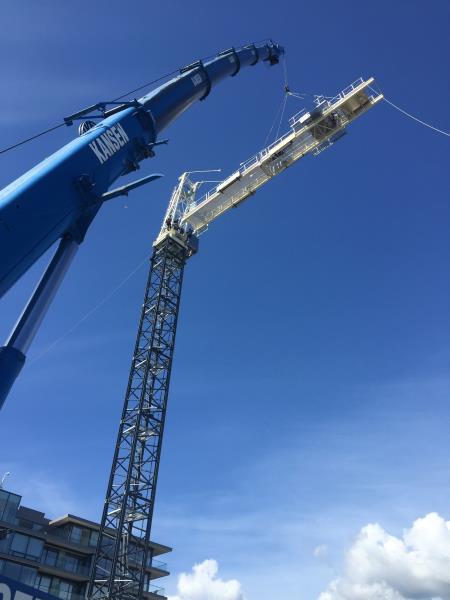
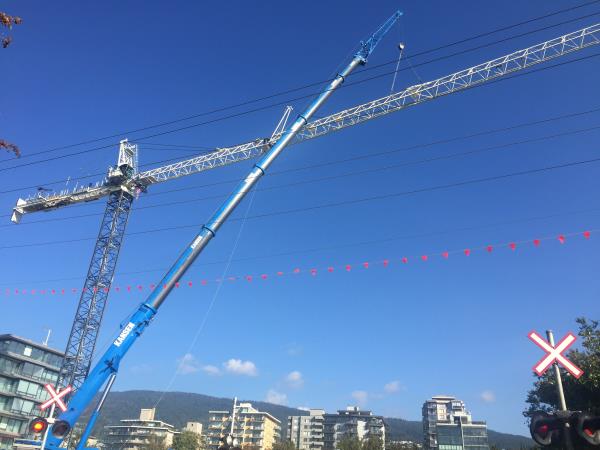
Wolff: Wolff Construction Cranes Saskatchewan - Hydraulic truck cranes are different compared to other crane models because of the way they specifically operate. Hydraulic cranes use oil instead as opposed to using a winch in order to wind up cables to provide the lifting force. Because oil is a fluid that retains its volume, it is incompressible. Therefore, this means it is among the most ideal types of fluids for pushing pistons towards the direction the force is going to be exerted. The hydraulic pump creates a pressure that moves the piston. This action is maneuvered by the operator from the controls within his cab. Typically, hydraulic truck cranes make use of a 2 gear pump. Because the actual crane itself is mounted on a truck, it is able to travel numerous distances from site to site and there is little dismantling involved. The truck crane has a single engine that can control both the crane and the truck. Other Parts Boom Telescope: The boom telescope enables the boom to extend or retract thanks to hydraulics. Jib: Jibs are latticed structure booms.. Boom Swing: The boom swing is a large ball or roller which is connected to the carrier. It is able to swing 360 degrees in both directions. Hydraulic mechanisms control the swing and provide swings at varying speeds in order to rotate the turntable gearbox. Outrigger: Outriggers are units that cranes will use to maintain its balance. It utilizes hydraulics to lift the truck. Load Movement Indicator: In order to alert the operator that maximum weight is approaching, the load movement indicator's lights flash. Pump: The pump's purpose is to steer the outrigger. Steel Cables: Steel reinforced cables run through the jib and the boom. They could generate up to 6350 kg or 14,000 lbs. Boom Elevation: The crane's boom ascends utilizing double hydraulic cylinders that allow for raising and lowering supplies. Rotex Gear: The rotex gear is situated under the cab and operated by hydraulics. It enables the boom to swivel on this gear.
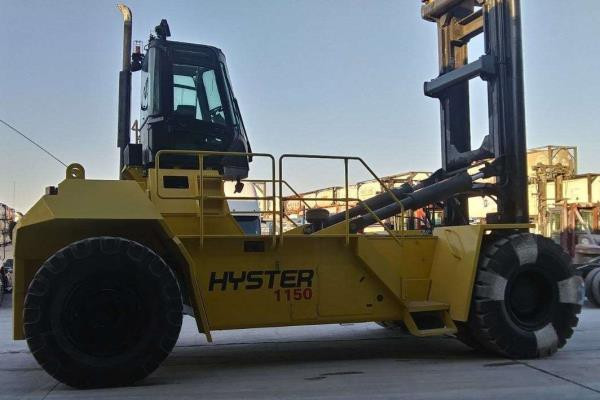
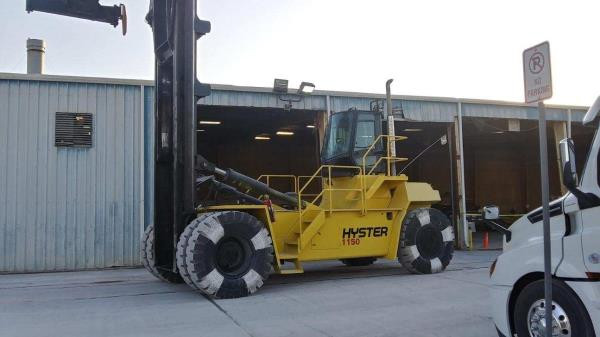
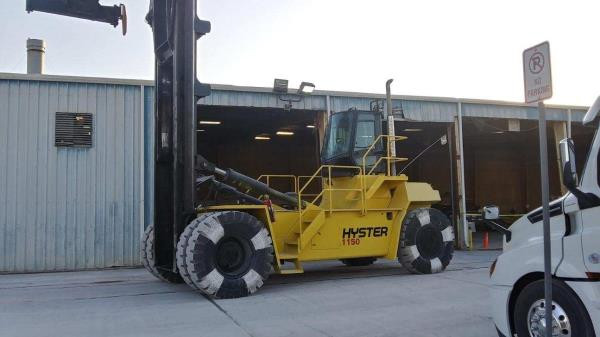
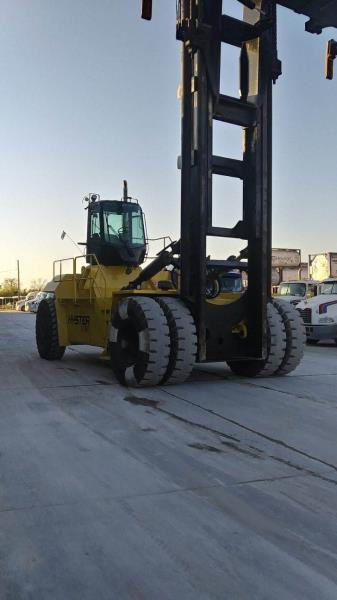
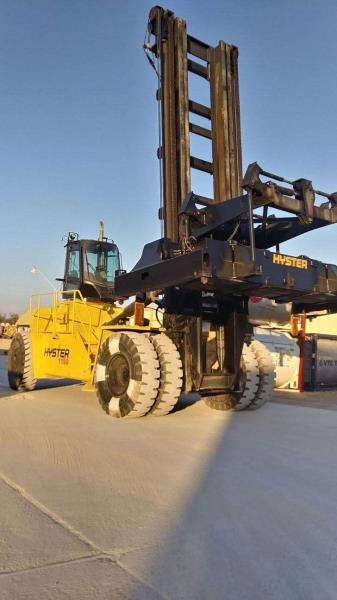
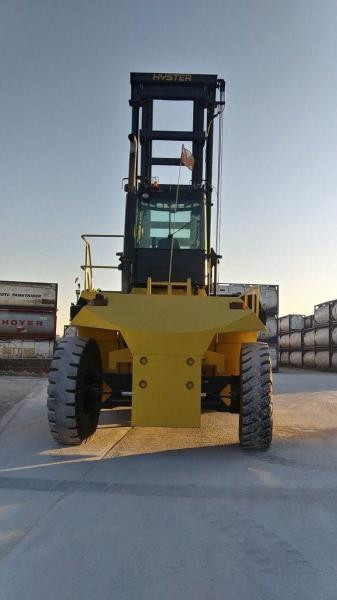
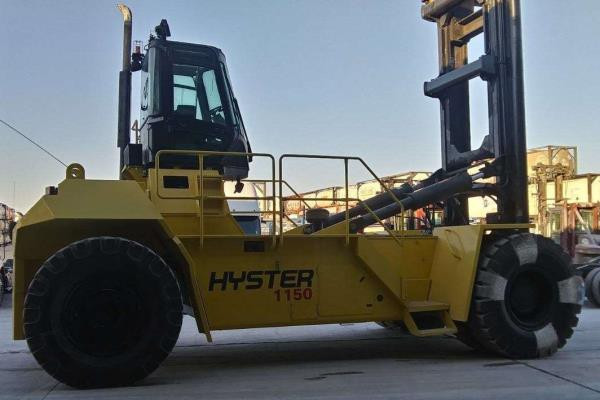
Hyster: Hyster IC Forklifts Saskatchewan - Hyster enjoys a unique relationship with our clients. We attempt to create complete customer satisfaction created through world class production. Our objective is to anticipate the needs of each and every customer in addition to address them with forklifts that deliver the performance, the dependability and the value which they demand. At Hyster, we believe in starting with the customer. We annually perform focus groups and offer an on-going voice of customer research both online and in the field. We have over 400 design engineers to translate that input into smart designs by implementing our thorough review gate process. Virtual prototype builds and advanced tools help ensure the best equipment practices come together. Other advanced tools like for example dynamic modeling and virtual prototype builds help to shorten our product development cycle. We enjoy giving our clients a competitive edge. So as to guarantee the lowest cost of ownership and total reliability all of Hyster's machinery are subjected to physical, environmental and virtual tests. Not only do we test against our own standards, but we are always testing against the competition's products too. Our final tests happen in real-world customer applications in order to make sure that our products have met our strict standards. Demand-Flow Manufacturing That is Smart and Lean Our world-class manufacturing at Hyster is driven by DFT or Demand Flow Technology. Each aspect of plant operation is driven by DFT lean manufacturing principals toward a single objective: to deliver total customer satisfaction and flawless quality 100 percent of the time, every time. Total Quality Each and Every Time To initiate quality from the start, Hyster uses an integrated Manufacturing Execution System or MES. The job of the MES is to manage the flow of production. The MES coordinates line activities such as part sequencing and quality verification. It also utilizes quality gates and torque tools to prevent less than perfect assemblies from continuing down the line. Hyster holds random audits in every shift. These audits actually hold every worker responsible for constant quality, combined with the 5s workplace organization in place to help us accomplish it. Hyster offers a variety of high quality features as standard with all our products. By remaining devoted to our focus on both quality and safety, and by being innovative from start to finish, we provide several of the best material handling machines on the market. These are just some of the reasons why the corporation has become a leader in the business.
Mitsubishi: Mitsubishi Big Forklifts Saskatchewan - Within several lift truck companies, the operators are often on the trucks 7 out of 8 hours a day. They are always loading and unloading trucks all day long. Many of these operators do not have to check with supervisors very often, neither do they need to deal with paperwork. Sometimes they are doing the same task during the shift for the duration and they don't even need to move the forks to adapt to different cargo. These operators usually find the forklift counterbalance sit-down models more comfortable and effective. Several warehouse facilities have tons of room for forklifts to operate and maneuver in. In these circumstances, an engine powered or 4-wheel electric lift truck remains a key player within the warehousing fleet. On the other hand, other facilities are crammed to capacity. These facilities may have staging areas and shipping departments which provide limited room for lift truck maneuverability. In this specific case, a 3-wheel electric or stand-up end control lift truck model might appear to be a wiser choice. Depending on your particular use and setting you are working in, you can then determine how to choose the correct truck and select the right tire. Next is a brief profile to show you the kind of tire choices offered. Cushion Tire Trucks - These specific trucks are utilized and engineered for use just on concrete or asphalt surfaces. Usually, they are specified for indoor application inside manufacturing facilities, distribution centres and warehouses. Usually cushion tire forklifts are smaller than similar capacity pneumatic units; hence, they are normally less expensive. This makes their resale value much lower also. Pneumatic Tire Trucks - On improved surfaces, the pneumatic tire lift truck could work indoor and outdoors as long as these surfaces include hard-packed dirt or stones and blacktop. Rough terrain areas such as really plowed fields or potholed lots are not ideal. The trucks are equipped with a bigger frame. Normally, pneumatic tire trucks are more pricey compared to cushion tire units. When it comes to resale, generally the pneumatic units offer higher value. This is in part due to their overall surface versatility and the huge amount of maneuvering space they offer.
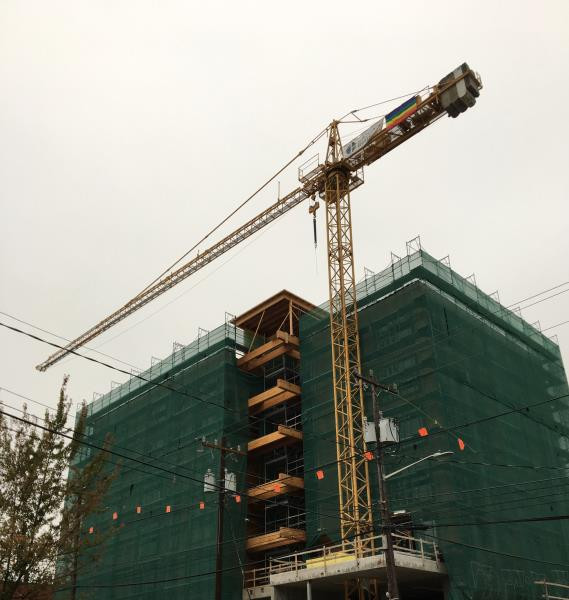
Pecco: Pecco Construction Cranes Saskatchewan - Kinds of Hydraulic Cranes One of the most common cranes in the construction industry is hydraulic cranes. They are utilized to make everything from freeway overpasses and roadways to skyscrapers and buildings. There is a large variety of crane models, styles and sizes available on the market. There are many different types in order to serve a variety of different purposes in the industry. Choosing the best kind of crane is really crucial for making certain that the material could be efficiently and safely transported to the location it needs to get to in order for the construction process to begin. Truck Cranes Typically, truck cranes have 2 different cabs. One cab is for controlling the crane and the other is for driving the truck when the unit is in transport mode. These cranes are extremely helpful for building sites where a crane is needed in numerous different places for the duration of the build. This is due to the fact that the crane could be driven easily from one location to another. Cranes can also be transported to different construction sites on the road because they drive themselves, that eliminates the need for extra transport vehicles. Being able to travel on their own really reduces transport expenses at the end of the day. The truck crane however is not stable enough to handle all the major loads that a hydraulic crane can handle. Thus, to be able to fix this problem, outriggers can be extended from the deck. The outriggers make use of hydraulic pressure to be able to slightly lift the truck off of the ground, making it stable and balanced. Crawler-Mounted Cranes The crawler crane is unique in that it has large tracks on the base of the crane. These huge tracks are really similar to bulldozers and backhoes. The tracks allow the crane to move around a construction locations successfully.
Daewoo: Daewoo Counterbalance Forklifts Saskatchewan - Using a Regular Counterbalance forklift 1 Perform a pre-shift check prior to utilizing the machinery. Occupational Safety and Health Administration guidelines state that a pre-shift checklist must be carried out at the beginning of every work shift. Each and every different equipment as well as its attachments has its own checklist listing steering, brakes, emergency brakes, lights, controls, horn and safety features. 2 When starting up the machine and check the controls, it is vital to make certain that the seatbelt is fastened and the seat has been adjusted for your maximum comfort. Look under the machinery after you move it for any indications of leaks. The operation of each type of lift truck is different. 3 Don't forget differences in the basics of lift truck operation as opposed to a standard vehicle. The rear end swing of the forklift happens due to the fact that the truck steers with its rear wheels. Forgetting this fact is a major reasons for injuries and accidents to workers. The almost 90-degree turn from the front wheels must be made with utmost caution. These top-heavy equipment have a high center of gravity even without a load. When lifting or moving a load this top-heaviness is exacerbated. 4 When traveling, keep the forks close to the floor and use caution when approaching loads. Make certain that the forks line up with the pallet. Lift the load only as high as is needed, tilting it back to help stabilize the machine. Drive backwards only if the load is very bulky that it interferes with driver vision. 5 Check the wheels on trailers/trucks before unloading and loading. Do not travel on inclines, especially when carrying a load. The equipment is susceptible to tip-overs on an incline. When driving on an incline is unavoidable, always drive up the slope and back down. The load must be kept on the uphill side of the truck. 6 The driver should be definitely in control all the time. The primary reason for operator injuries is tip-over. The driver should never try to jump out of the truck in case of a tip-over. The safest approach is to lean away from the direction of fall while holding the steering wheel and bracing your feet.
Snorkel: Snorkel Electric Scissor Lifts Saskatchewan - S-E Series Electric Scissor Lifts Snorkel's line of scissor lifts make ideal work platforms for work in confined areas. These machinery have roll out deck extensions that provide additional reach and allow the machine to turn in tight circles. The smooth and proportional operating system enables the driver to have precise control where they will require it the most. Snorkel provides deep cycle batteries in order to keep their electric lifts functioning as long as required. Throughout the entire S-E range features a commonality of components, making the servicing and maintenance of the electric lift models more affordable and simple. The TM12 model was the companies first telescopic mast lift. This remains the very best model even today. The most affordable, self-propelled 19 foot lift within the globe is Snorkel's SL20E. This sigma lift is an ideal alternative for job locations where the main issue is pricing. The original self-propelled telescopic mast lift remains popular all around the world. It has a reputation for great strength and durability as well as versatility. The Snorkel TM12 can be driven through standard sized doorways and carried in passenger elevators. It can safely lift 2 people and supplies or tools up to a platform height of 12 feet. These machines are usually used for maintenance and construction, stock picking in addition to a variety of applications. The S1930E Snorkel model is capable of lifting as much as 500 lbs. and can deliver a platform height of up to 19 feet. With a turning radius of just 5 inches, this nimble and compact model could also climb slopes of 25 percent. Only 30 inches wide, the S1930E model could pass through a standard doorway with no trouble. This particular model comes with a 3 foot deck extension for additional reach and mechanical pothole protection as basic features. For applications with limited floor loading capacities, the S1932E is just 2 inches wider than S1930E but this specific model is 180 lbs. lighter. Snorkel's S-E series electric scissor lift is designed for both indoor maintenance and construction tasks. The platform on these machinery could reach heights of 32 feet. There are models for tight areas, a 46 inch wide version and a 32 inch wide version which both offer a 26 foot platform height. Snorkel is proud to offer particular models that can suit various applications. They have a model for each and every use and an extensive network of dealers and parts to help out when and if the need arises.
Crown: Crown Narrow Aisle Forklifts Saskatchewan - Very Narrow-Aisle Turret Trucks Crown has made an innovate line of heavy-duty turret trucks in the industry. The company has established a new level of standard. Crown has designed the fastest travel speeds and the fastest lift speeds. They have transformed the industry's most solid mast. Their mast reaches all the way up to 675". Moreover, Crown has introduced energy-saving regenerative lowering and braking systems. TSP Series: Setting a New Standard in Turret Forklifts Businesses have to look for and incorporate effective solutions to be able to maximize cube utilization. This is vital when the throughput does not want to be compromised and warehouse space is at a premium. Crown's TSP Series of turret forklifts will allow you to take advantage of very narrow aisles that enable more pallet positions. These forklifts are able to increase you storage space by approximately 31%. The TSP Series turret trucks are manufactured and designed in order to maneuver high and tight spaces with better control. This improves overall production which offers faster cycle speeds and provides more efficient energy utilization. TSP 6000 Very Narrow-Aisle Lift Truck Crown's MonoLift mast was manufactured for extreme stability. This model features a boxed-in design so as to protect the cylinder from damage and provides the operator with high visibility. The TSP 6000 features a massive AC traction motor, a heavy-duty 48-volt electrical system, and an intelligent braking system. These additions were manufactured for performance. The TSP 6500 Series is a turret forklift that provides extreme versatility. This model is able to handle a wide range of warehousing challenges, especially case picking and full pallet handling. Some of the features within the business such as the MoveControl and the MonoLift are exclusively provided by Crown. Moreover, the regenerative braking and lowering systems give you the edge to do more while utilizing more energy overall.
Kalmar: Kalmar Propane Forklifts Saskatchewan - Feats You Can Accomplish Using a Lift truck Imagine if you were all alone inside a big warehouse and there are lots of things stacked all over the place on pallets. The entire ambiance is a huge unorganized mess and there are hundreds of shipments which have to be made right away. Fortunately, this is just a thought, however, it can be an accurate nightmare for those people who are in the business of getting things finished and ready to ship. Either way, so as to get things moved without utilizing a forklift, would be an extremely heavy and improbable situation, as a forklift is able to lift thousands of pounds. The steel made forklift could accomplish this large job, even with only one man to operate them. Anything which must be lifted or moved easily can be done by a machinery like this. Maneuvering the forks in the front and positioning them underneath a pallet or a pile of things becomes simpler with more practice and you will be ready to go in no time. Prior to being able to legally drive a lift truck, you will have to obtain an operator license, even though these equipment look like a lot of fun and look easy to operate. Obtaining the license needs some training and this is necessary in order to make sure that safety is vital for the operator and everybody working in the vicinity. These licenses are required by law and training is highly regulated. Many jobs will provide forklift certification on-site while other places prefer to employ individuals who are already certified. Depending upon your place of employment, the license would probably have to be renewed on a regular basis. You will be glad to have a lift truck in order to complete many tasks, regardless of if you need the machine for landscaping or warehousing applications and for farm use. To do the same lifting feats of a forklift will be physically not possible. Trying to do some tasks could even be harmful to your body as well. Forklifts make maneuvering awkward and heavy things an easy and simple job. These equipment could make light work of numerous industrial situations. For those who want to accomplish the biggest amount of physical work within a short amount of time, the forklifts make it happen.
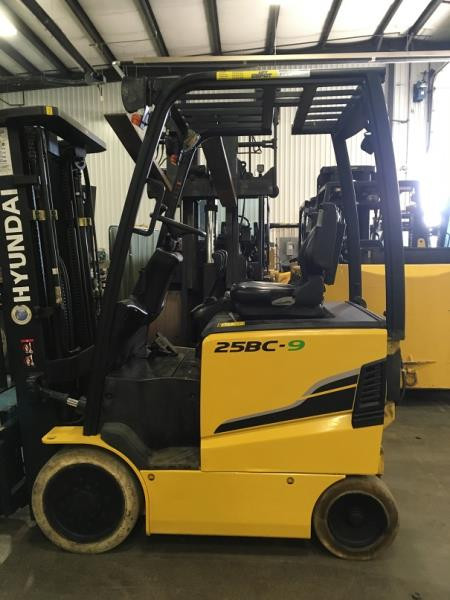
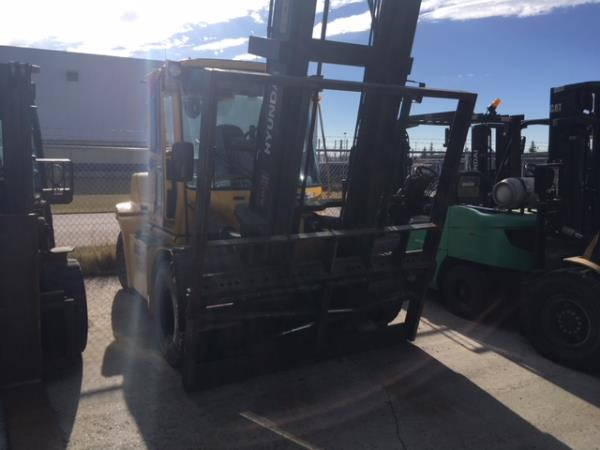
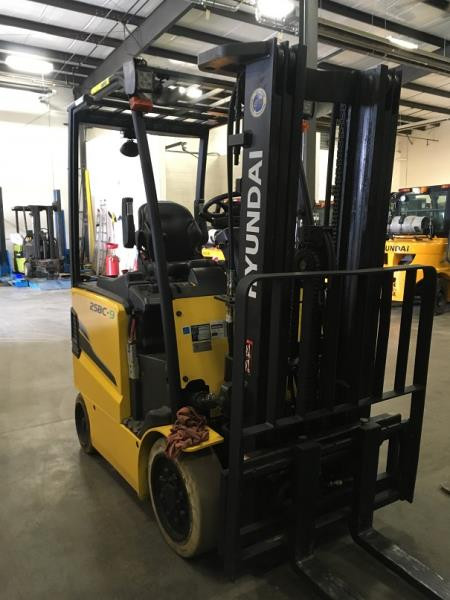
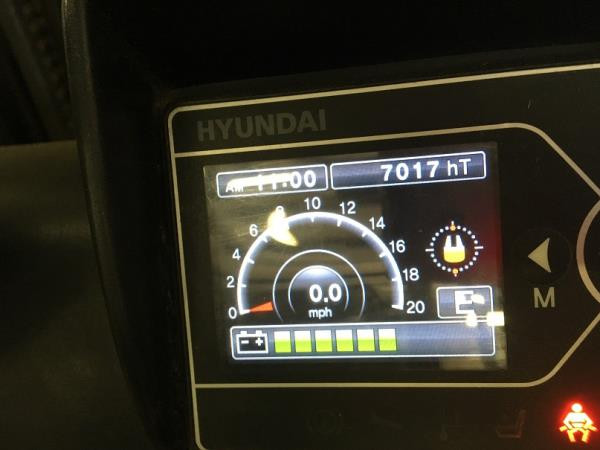
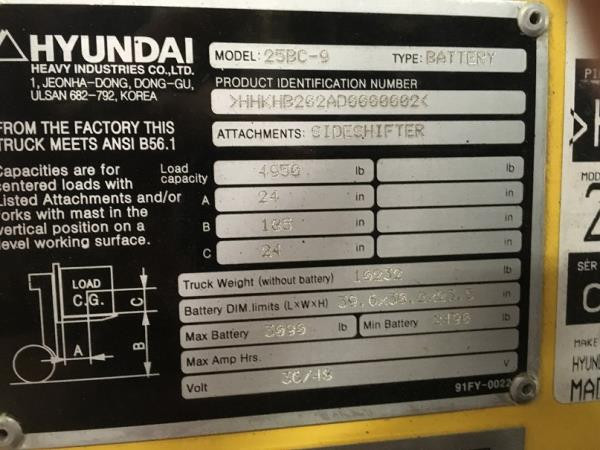
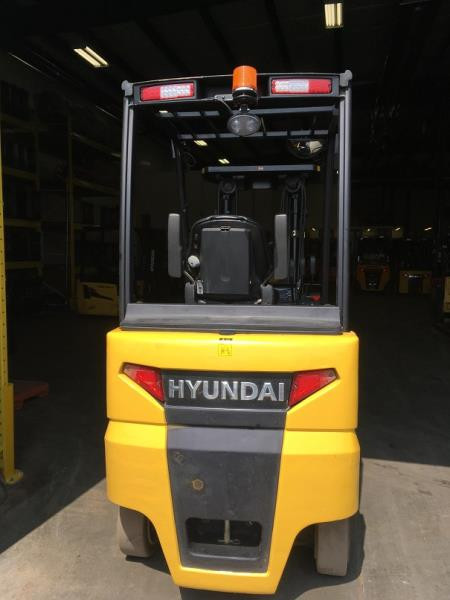
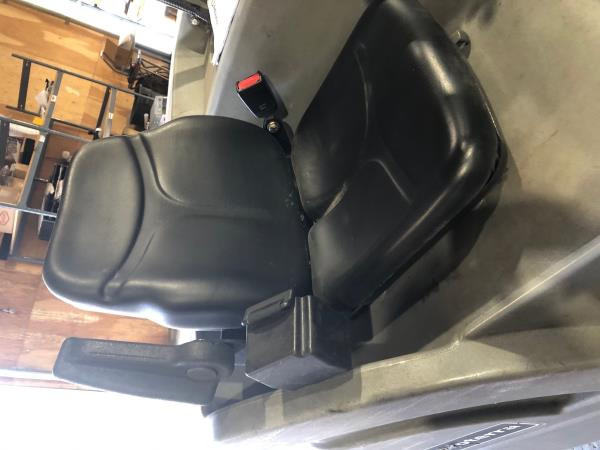
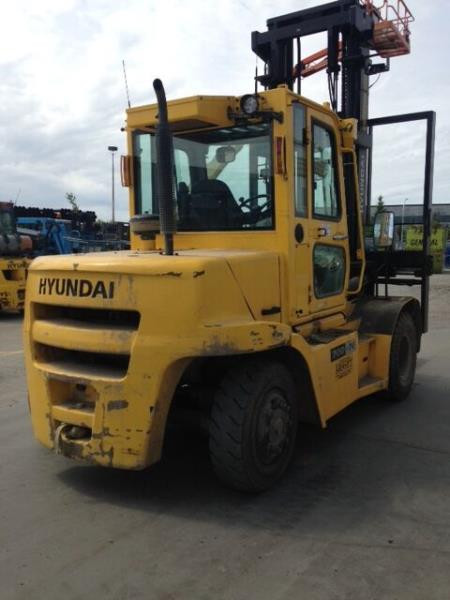
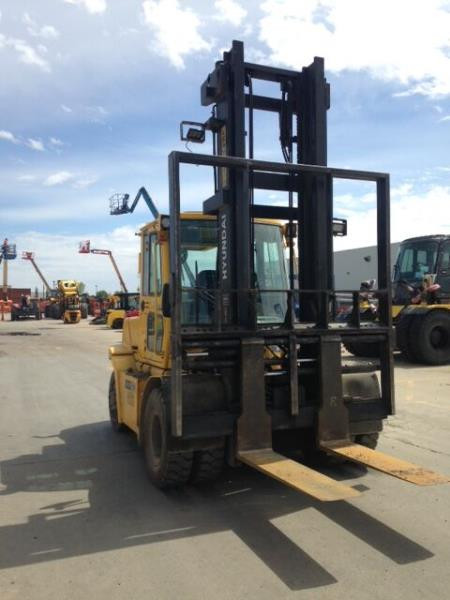
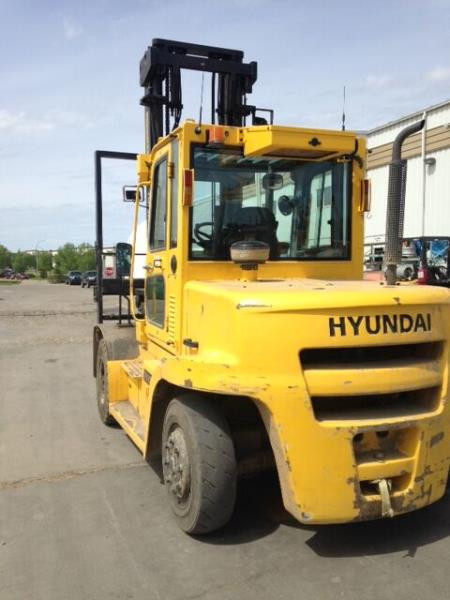
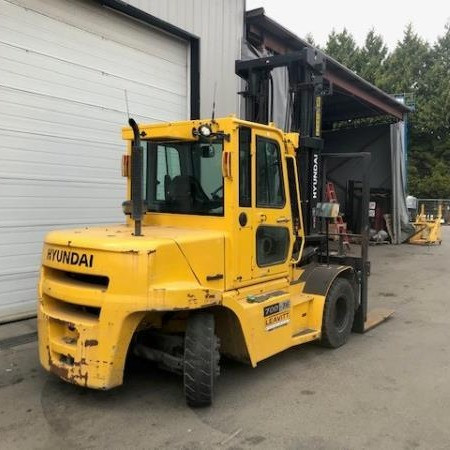
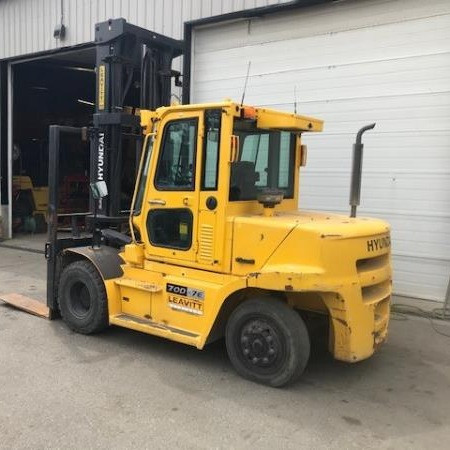
Hyundai: Hyundai Lift Trucks Saskatchewan - Hyundai IC and Electric forklift trucks offer excellent comfort and quality. A few of the top priorities in the equipment design comprise high durability and safety. There are more than 70 different models of Hyundai Forklifts offered. They vary in production from 1.5 ton up to the 16 ton Flexilift. Customers have a wide variety of material handling equipment options to pick from. There is a specific model available to perform basically any warehouse application. Hyundai Electric Forklift Trucks Providing a non-polluting and environmentally friendly alternative is the Hyundai Electric forklift. These types of lift trucks have improved energy efficiency options. They offer a great asset to any workplace. The Ac control BT series has an ergonomic design which provides numerous safety features. These include: fault recording, high visibility for safe operation and Hi-Tech Zapi Controller providing high and low voltage overheating. The Anti-roll back system and Duel Rear Tires provide better stability and control while lifting as well. The Self Diagnostic LCD Monitor is a great system that alerts for operation errors, and gives information concerning the battery level and system faults. The series additionally provides an Adjustable Suspension Seat for greater comfort and safety. Last of all, the increased mast tilting angle is one more good feature. Geography The AC forklift is suitable for general warehouse applications. If you are looking to utilize forklifts to use in of your warehouse operation, counterbalanced lift trucks are a good alternative. These forklifts are suitable for indoor warehousing applications, retail distribution, building material distribution and food manufacturing and processing operations. The electric narrow aisle and narrow aisle lift trucks are a great alternative for a variety of applications like general warehousing. Big distribution warehouses and food distribution centres will find these kinds of lift trucks useful, as does any place which requires access to storage facilities and high stacking. A walkie pallet truck is best suitable for general warehousing use, department stores and loading dock areas. For storage and general warehousing, tow tractors and tuggers is another good choice. Before purchasing, determine the needs of your company and figure out specifically what type of application and environment you will be needing of the machinery. This would help ensure that you select a model that would meet all your needs and you will be very content with the outcome.
Carelift: Carelift Aerial Lifts Saskatchewan - Vertical-mast and rough terrain forklift marketers have endured in spite of overall diminished sales. There are at least 19 different lift truck brands within North America, with over 100 various models available all around the world. In regards to manufacturers, there is practically the same number of telehandler makers, even if their products are being marketed under 24 different brands. Understandably, some of the brand names market both lift trucks and telehandlers. Several of the key players in the industry consist of names like Lift King, Tovel, JCB, Case, Omega Lift, Ingersoll Rand, Sellick and Manitou. By borrowing several of the features which have increased the telehandler's fame, forklift makers have been able to increase their maneuverability advantages. For example, Tovel, Manitou, AUSA and Omega Lift use hydraulic chassis-leveling systems that allow the operator to square up the frame of the truck when it is sitting on uneven terrain in order for lifts to be made more safely. This particular feature is offered as an option by Load Lifter, Lift King and Swinger lift trucks. One more telehandler-like technology is the 4-wheel steer. Omega Lift, Lift King, Load Lifter and Tovel all provide extremely durable and rigid framed machines operating on 4 equal sized tires. These four-wheel coordinated steering and crab-steering modes offer the fantastic maneuverability that rivals the 4-wheeled steering traditional lift truck models. There are extra flexibility options with the sideways shuttle crab-steer mode too. The carriage sideshift could greatly enhance placement dexterity. The mast sideshift is a common feature today. This is found on most lift trucks available. It allows the operator to hydraulically move the mast a few inches to either side of center. One more option is the carriage sideshift. This works by moving the carriage to both sides of the center of the mast.
TCM: TCM Diesel Forklifts Saskatchewan - Lift trucks were introduced onto the market in the beginning of the 20th Century. These machines have played a tremendously powerful part within the recycling business and have also revolutionized the material handling business. The factors for safe operation, the forklift's evolution and the various different kinds are discussed below. History of Lift Trucks These powered industrial trucks, also known as forklifts and lift trucks, were invented and launched to the market during the late 19th century. At first, these units were low lift trucks that were only capable of raising platforms several inches from the ground. Generally, these types of machinery were used for transporting supplies inside a shop, such as work-in-progress situations. During the latter part of 1910s, high lift trucks initially emerged and truck design enhancements started to take root from there. The tier trucks eventually evolved and this allowed for better stacking of loads and storage effectiveness. There were extremely tough economic times during the 1930s. However, during this particular period, labor was freely available but capital for investment was more and more difficult to come by. This situation really slowed the growth of lift truck usage. In WWII, forklifts became a strategic part of the war effort. During that period, vast shortages in manpower happened resulting from the wartime enlistment. It was discovered that a forklift and its operator can deal with the work of numerous men and were very productive. As the War progressed, numerous women drivers filled the many demands. By the time the war was over, lift trucks became a mainstay of the material handling business. They were used a lot in the Pacific war efforts. Several of the leftover pallets and lift trucks within Australia left behind by the United States Military became the basis for the Commonwealth Handling Equipment Pool or CHEP, who today is referred to as the world's biggest pallet pooling business. Gasoline/Diesel Diesel and gasoline engines have a lot of advantages. They are readily available around the world; they are perfect for heavy duty workloads, they deliver consistent power throughout the shift and numerous operators are quite familiar with the source of power. Several of the gas and diesel engines drawbacks consist of: they require a lot more maintenance than electric models, due to the emissions they release, they are not appropriate to be used indoors, there is some difficulty and cost connected to disposal of oil and fluid and they need a re-fueling station on-site if they are going to be in continuous use.